You Play Tennis? Train Your Reaction Speed with These Free Tools
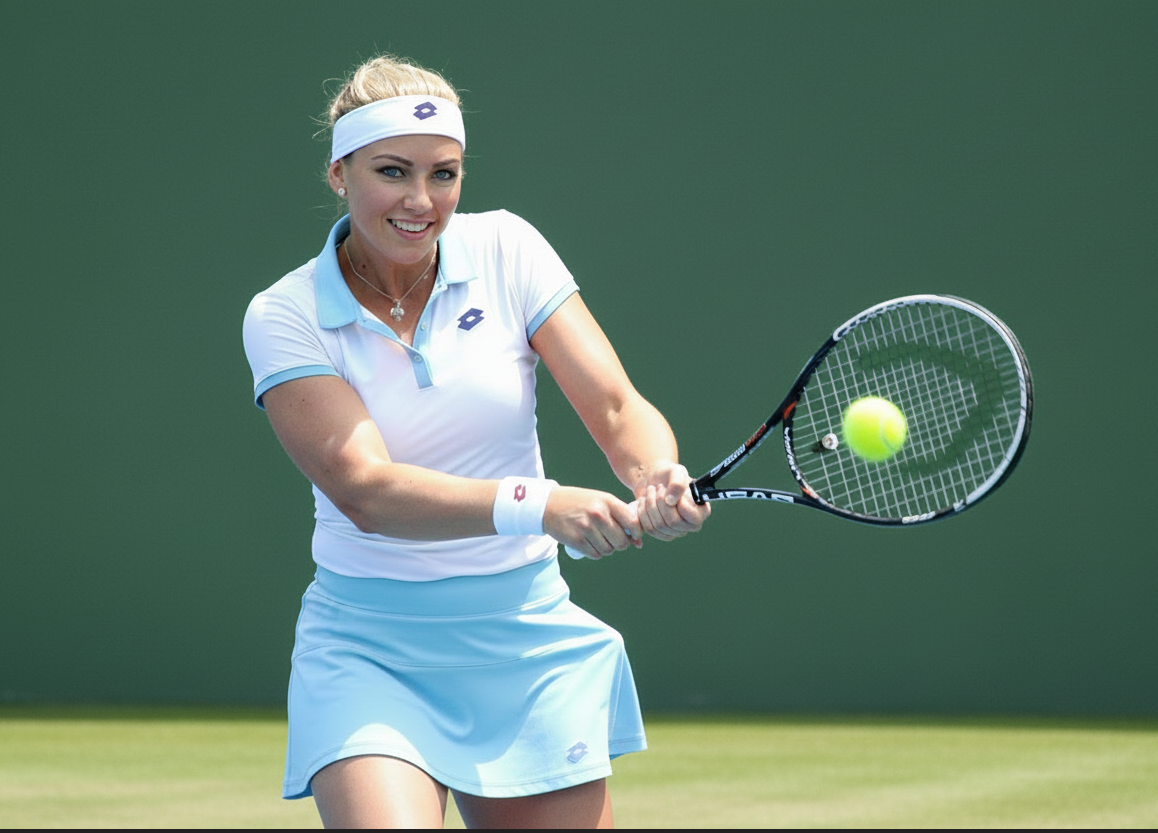
Every serious tennis player knows the grind. Hours on the court working on your forehand. Countless serves trying to nail that toss. Footwork drills until your legs burn. Maybe you even have a coach who analyzes your stroke mechanics frame by frame.
All of this matters. It makes you a better player. But there's one thing most tennis players completely overlook—something that could be the difference between reaching that ball in time or watching it fly past you.
Your reaction time.
The Split Second That Decides Everything
Picture yourself at the baseline. Your opponent tosses the ball, swings, and suddenly a serve is rocketing toward you at 90+ mph. You have less than half a second to read the spin, judge where it's landing, move your feet into position, and start your swing.
Half a second. That's it.
Now think about net play. You're at the net after a good approach shot, and your opponent rips a passing shot right at you. There's no time to think. Either your reflexes take over, or the point is lost.
Or consider a rally from the baseline. Your opponent disguises a drop shot. By the time you realize what's happening, you're already two steps behind. Not because your legs are slow—because your brain didn't react fast enough.
You Already Train Reaction Time... Sort Of
You might be thinking, "But I already work on this. That's what drilling is for." And you're not wrong. Match play and practice rallies do train your reactions to some extent.
But here's the problem: you can only do those when you have a court, a partner, and time. How often does that all line up?
What if you could train the reaction part separately—at home, on your phone, whenever you have five minutes?
You can. And it's free.
Pure Reaction Training
The foundation of reaction speed is simple: see something, respond immediately. No thinking, no decision-making. Just react.
This is what the Reaction Time Test trains. A blue screen appears. When it turns red, you tap. That's all.
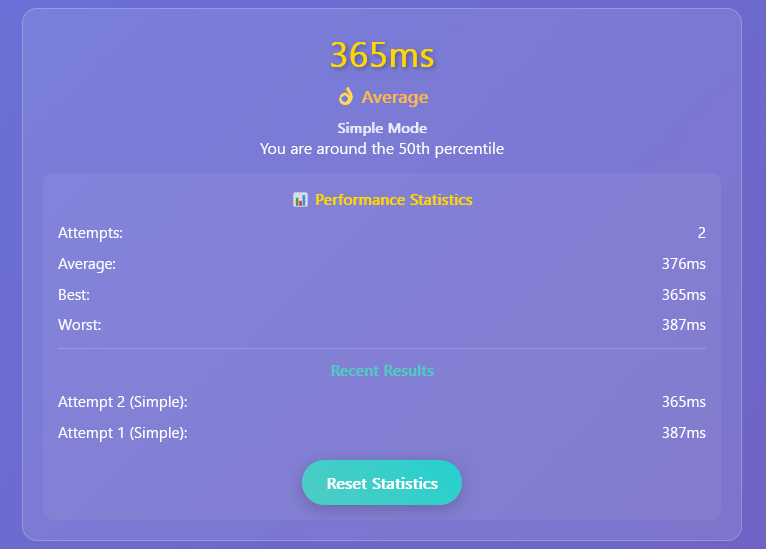
It sounds too simple to matter, but this is exactly what happens when a ball comes off your opponent's racket. Your eyes register movement, your brain processes it, and your body responds. The faster that chain fires, the more time you have for everything else—reading spin, adjusting position, preparing your stroke.
Train that chain, and you're faster on court without changing anything about your technique.
But Tennis Isn't Just About Reacting to Everything
Here's where it gets interesting. Pure reaction is only part of the game.
In tennis, you constantly have to make split-second decisions. Is that serve going wide or into the body? Should I move forward or hold my ground? Is that a topspin forehand or a slice?
If you react to everything without thinking, you'll get faked out constantly. You'll lunge the wrong way on a disguised drop shot. You'll start moving before you've read the ball properly.
This is where inhibition comes in—the ability to NOT react when you shouldn't.
The Go/No-Go Test trains exactly this. Sometimes the screen turns red (react), sometimes green (hold). You have to respond quickly when it's go, but stop yourself when it's not.

Sound familiar? It's the same mental skill you use when you read your opponent's body language, start to move one way, then catch yourself because you realize the ball is going somewhere else.
Training for the Quick Exchanges
Tennis has moments where decisions come rapid-fire. A fast rally at the net. A baseline exchange where both players are hitting hard and flat. These situations demand quick categorization—not just "react or don't react," but "what kind of reaction is needed?"
The Choice Reaction Test helps with this. Different colors require different responses. You're training your brain to categorize and respond, not just to react blindly.

This translates directly to those fast exchanges where you have to read topspin versus slice, forehand side versus backhand side, all in a fraction of a second.
One More Tool for Your Game
Many reaction moments in tennis are triggered by sound—the pop of the ball on your opponent's strings tells you a lot about what's coming before your eyes fully process it.
The Sprint Start Reaction Test trains audio-based reaction. You listen for a cue, then respond as fast as possible. It's designed for sprinters, but the skill transfers: reacting to sound cues faster means you pick up information from the ball contact earlier.

Add This to Your Training
You already put in the hours on court. You already work on your strokes, your footwork, your strategy. This is something you can add on top—five minutes here and there, on your phone, no court needed.
Train your reaction speed, and you'll find yourself getting to balls you used to miss. Not because you're moving faster, but because you're starting sooner.
Check out all the reaction training tools on the Reaction Speed Training Hub, and see for yourself.