Lack of Sleep Slows Your Reaction Time, and It Can Literally Kill You (or Someone Else!)
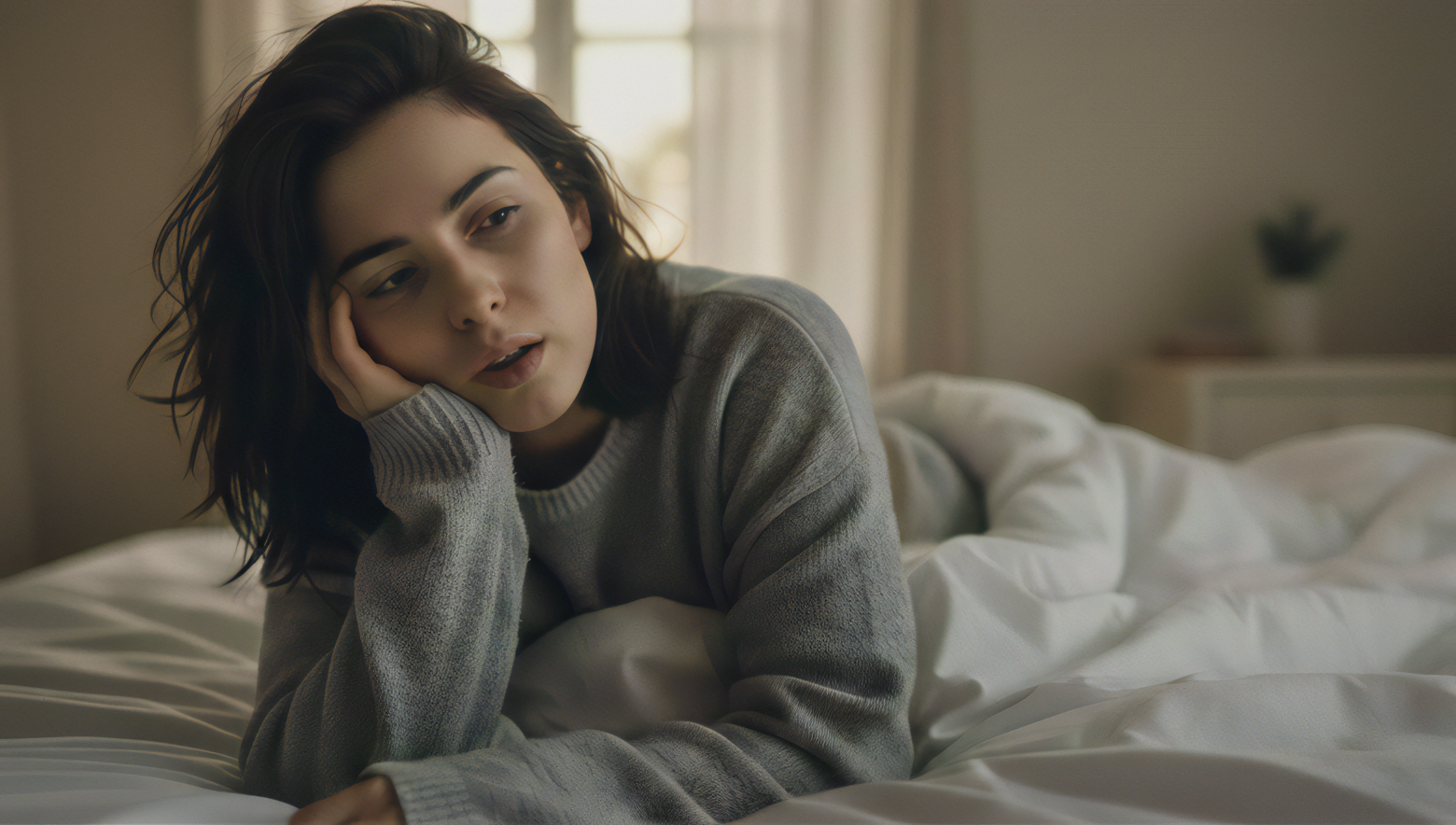
I'm tired. I'm sleepy. How often do you say this? Or hear someone say this? I know someone who says it constantly, like a habit. It would be annoying, but totally okay, if it's just a habit. Some people have worse habits (yes, like that thing your husband does all the time!).
But unfortunately, it seems like more and more people are actually very tired all the time. I can't blame them. Compared to when I was a kid (decades ago, yes, that dates me now), the world was much slower. There was no internet, let alone smartphones. The pace of life is faster and you have to deal with a lot of things. You've got to work, go grocery shopping, pick up after your kids (or your lazy partner), do housework. Those are the basics! Then you go to the gym, reply to these texts, watch that Netflix show, respond to that PM on your social media account, and you fall into that rabbit hole of checking your friend's posts—which leads you to watch that YouTube video... Who has time to sleep these days?
If you are like that, you are not alone. But not in a good way, unfortunately.
Lack of sleep has many, many negative effects, and you probably know many of them. You can't think properly, you may lose your appetite, you can't focus on your work, and so on and so forth. But they are not really life-threatening by themselves, especially in the short term. Yes, there is some research showing if your average sleep time is shorter than 7 hours, your life expectancy is also shorter. But it doesn't kill you today. There's a compound effect like that, but people tend to ignore it because you can "get by" even if you feel sleepy all the time.
But there is something you should not ignore. And it is one of the most dangerous aspects of lack of sleep.
That is, your reaction speed drops significantly.
The Numbers Don't Lie
According to research on college athletes, just one night of sleep deprivation significantly slowed their reaction times the next morning. Another study found that after 40 hours of staying awake, people's reaction times got progressively worse with each passing hour.
Even worse, chronic short sleep—getting less than 7-8 hours regularly—is enough to cause noticeable slowdowns. Research shows that people with chronic short sleep started performing measurably worse after just 5 minutes of work on reaction time tasks. Their reaction times were, on average, about 35 milliseconds slower than well-rested people.
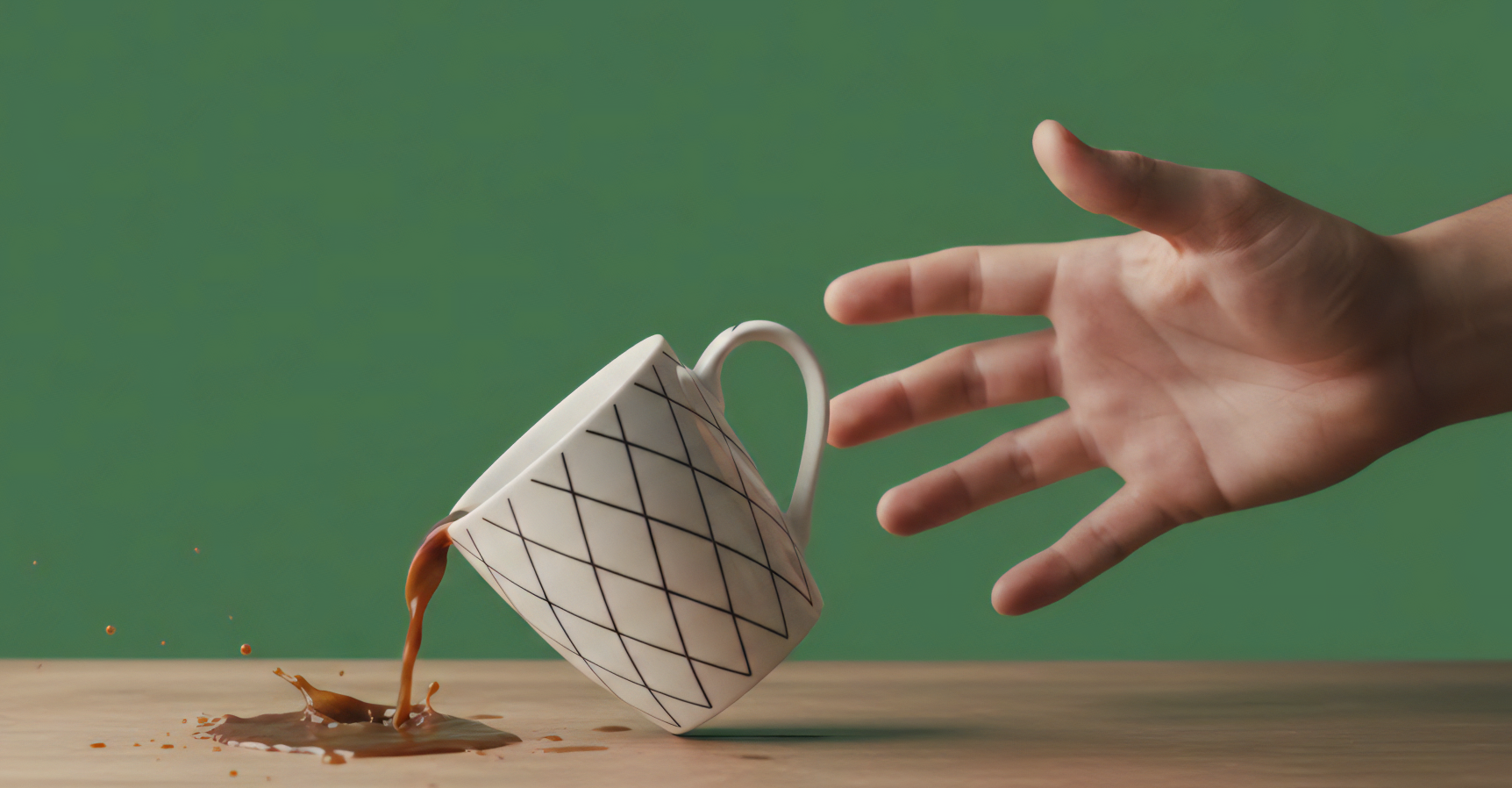
35 milliseconds might not sound like much, but in real-world situations, it's the difference between reacting in time and not reacting at all.
Why Is This Dangerous?
Think about driving. Let's say you're driving and a kid suddenly runs right in front of you, trying to catch something on the road (for whatever reason). In a normal situation, unless the kid appears really out of the blue, you have enough time to react. You hit the brakes, and the kid just picks up whatever they wanted, oblivious to your fear.
But with that slowed reaction time, you notice the kid later than normal, and then hit the brakes more slowly than normal. You probably don't want to know what happens next.
Here's a scary statistic: shift workers who don't get enough sleep have an accident rate 2.3 times higher than people with normal sleep patterns. That's not because they're bad drivers—it's because their brains simply can't react as fast when they're sleep-deprived.
It's Not Just Driving
Another scenario: You are climbing up steps, and you miss a step (another aspect that lack of sleep can cause—lack of attention). Usually, you would still react fast enough to grab a rail, or just catch yourself quickly. But if you are too sleepy, you would be too slow to do either of them, ending up falling on the stairs.
Are those examples extremes? Yes and no. They are still rare cases, but absolutely possible outcomes that lack of sleep can cause.
The Long-Term Damage
Here's something even more concerning: chronic sleep deprivation can cause lasting damage. People who regularly work night shifts and don't get adequate sleep show cognitive impairment even when they do get a chance to sleep properly. The damage accumulates over time and doesn't fully reverse. Your neurons can suffer irreversible damage that additional sleep cannot fully compensate for.
Are You Warned Enough?
I hope so. Next time you think about watching one more episode of your favorite show before going to bed, think about this. Would it really be important enough to risk your life, or someone else's? I know, I don't want to sound preachy or like a party pooper, but it's not even a party. Just a TV show, or one more text message. They can wait. Go to bed.
Wait, Before You Go to Bed...
Here is my plug! (Am I contradicting myself? Yes, I am!)
I made many apps (free to use on the web, on this site) that can train your reaction time. By using these apps, you can train your baseline reaction time to be faster. It cannot replace your sleep, but training your ability to react faster can help you in many situations.
Try the Reaction Time Test to see how fast you currently react. Or check out the Go/No-Go Test to train both your reaction speed and your ability to hold back when needed—both crucial skills when you're tired and your brain isn't working at full capacity.
But seriously—get some sleep.